
Key Points
- A stock split changes the share count and per-share price but leaves the company's total market value and your ownership stake untouched.
- Forward splits often coincide with rallies — but the split usually reflects strength that was already there, not a reason for it.
- Reverse splits carry a different signal: they are frequently used to keep a struggling stock above exchange-listing thresholds.
- The real, if indirect, effects run through accessibility, options liquidity, and occasionally index mechanics.
On paper, a stock split is one of the most boring events in finance. A company with 100 million shares trading at $200 declares a 2-for-1 split, and suddenly there are 200 million shares trading at roughly $100. Nothing about the business changed. The market capitalization is identical. If you owned 10 shares worth $2,000, you now own 20 shares worth $2,000. It is the corporate equivalent of getting change for a $20 bill.
And yet splits regularly make headlines, and the shares of companies announcing them frequently pop. If the math is a wash, why does the market react at all? The answer is part psychology, part plumbing, and part confusion about cause and effect.
Why Forward Splits Feel Bullish
The most cited explanation is behavioral. A lower per-share price looks more affordable, especially to retail investors buying in small dollar amounts. A $3,000 share can feel out of reach in a way that a $150 share does not — even though buying one $3,000 share and buying twenty $150 shares cost exactly the same.
There is also a signaling story. Companies tend to split their stock after a sustained run-up in price. Management usually only splits when it believes the shares are likely to keep trading at healthy levels rather than sink back down. So a split announcement can act as a soft vote of confidence — a signal that leadership sees continued strength, not a peak.
The critical word there is coincide. Stocks that split have often already climbed a great deal; that is precisely why the price got high enough to warrant a split. Attributing the rally to the split itself confuses the symptom with the cause. The strength came first. The split is a consequence of it.
Reverse Splits and the Red-Flag Problem
Reverse splits run the psychology in the opposite direction, and for good reason. In a 1-for-10 reverse split, ten shares at $1 become one share at $10. Again, nothing fundamental changes. But companies typically execute reverse splits for a specific and unflattering purpose: to lift a sagging share price back above the minimum thresholds that major exchanges require for continued listing.
That context is why reverse splits often read as a warning rather than a boost. A stock that has fallen far enough to need one has usually done so for real reasons — deteriorating fundamentals, shrinking revenue, or heavy dilution. The reverse split addresses the optics of a low price without addressing the problems that produced it. Historically, shares that undergo reverse splits have tended to underperform afterward, not because the split hurt them, but because the underlying distress remained.
Investors should be careful not to treat the two events as mirror images. A forward split is often a byproduct of success; a reverse split is often an attempt to manage the appearance of failure.
The Real, Indirect Consequences
Dismissing splits as pure theater goes too far. There are genuine second-order effects — they are just smaller and less glamorous than the pop narratives suggest.
Accessibility and round lots
Before fractional-share trading became widespread, a very high share price genuinely priced out smaller investors who wanted to buy in round lots. Fractional investing has muted this effect, but a lower nominal price still widens the pool of buyers who can transact in whole shares and can slightly broaden participation.
Options liquidity
This is one of the more tangible effects. Standard equity options contracts cover 100 shares. When a stock trades at several thousand dollars, a single contract controls an enormous notional value, which prices many investors out of the options market entirely. A split lowers the per-share price, shrinks the cost of a contract, and can meaningfully deepen options activity and liquidity around the name.
Index mechanics
Most major indexes are weighted by market capitalization, so a split changes nothing for them. But the Dow Jones Industrial Average is price-weighted, meaning a stock's influence depends on its nominal share price rather than its size. A split can dramatically reduce a company's weight in that index, and price level can factor into whether a company is a comfortable fit for it in the first place. This is a niche effect, but a real one.
What the Post-Split Pop Narratives Get Wrong
The popular story goes: company announces split, shares jump, therefore splits create value. Two things are usually missing from that account.
First, the direction of causation. Rallies tend to precede splits far more reliably than they follow them. By the time a split is announced, much of the strength that justified it is already in the price.
Second, the durability question. Any short-term enthusiasm around a split announcement is driven by sentiment and attention, not by a change in the underlying cash flows, margins, or competitive position. Nothing about a company's ability to generate profit improves because its shares were divided into smaller units. A split does not add a dollar of earnings.
The practical takeaway is one of framing. Treat a forward split as mildly informative — a possible signal of management confidence and a modest boost to accessibility and options liquidity — rather than as a catalyst in its own right. Treat a reverse split as a prompt to look harder at the business, since it usually points to problems the split itself cannot fix.
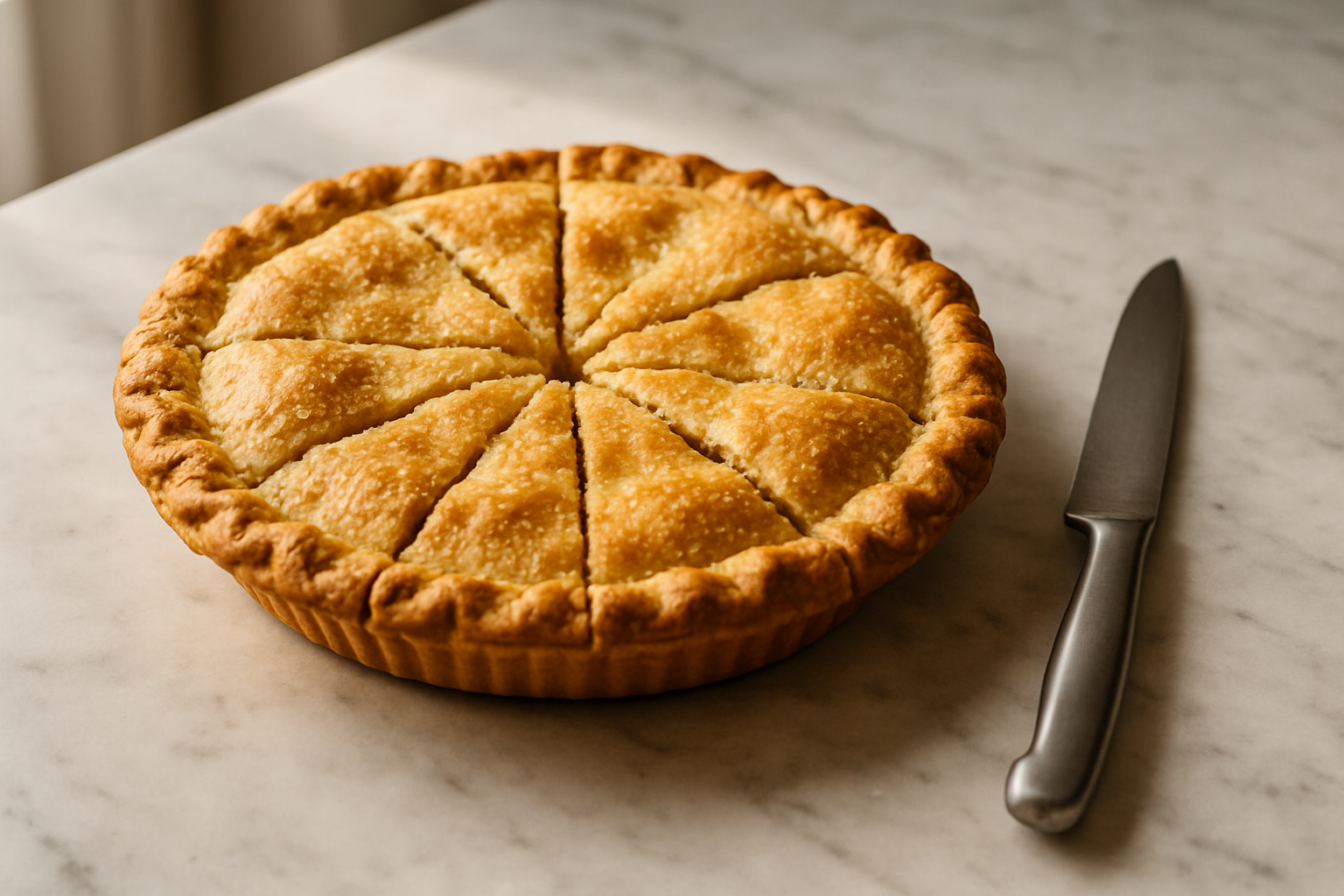
Splits are best understood as a lens on a company's trajectory rather than a lever that changes it. The pie is the same size before and after; the only thing that moves is how the market feels about the size of each slice — and, occasionally, how easily that slice can be traded.